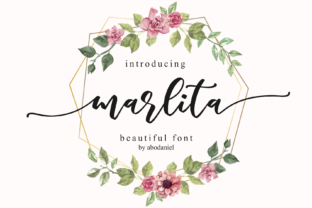
Marlita: A Handwritten Script Font Made for Crafters
If you have ever spent time searching for a script handwritten font that actually looks like organic, heartfelt lettering instead of something stiff and overly perfect, you already know how rare that find can be. Marlita is exactly that kind of discovery. It is a handwritten font with personality, warmth, and just enough imperfection to make every project feel personal. For those of us who create physical products, whether it is labels, stickers, signs, or printed stationery, the typeface we choose becomes part of the item itself. Marlita brings a handcrafted look that customers respond to immediately, and it holds up beautifully across a wide range of craft applications.
The Personality of Marlita
Marlita is not a rigid, mechanical script. It carries the natural rhythm of someone writing by hand, with gentle variation in stroke weight and a relaxed flow from letter to letter. This gives it an approachable, friendly quality that works well for projects meant to feel personal and inviting. At the same time, it is polished enough to look professional on a product label or a boutique tag. It avoids being overly decorative or fussy, which means it remains readable even at smaller sizes. That balance between charm and clarity is what makes Marlita such a versatile creative font for handmade sellers.
Whether you design for a rustic farmhouse aesthetic, a bright and modern stationery line, or something in between, Marlita adapts. Its handwritten roots give it a natural fit for projects that need to communicate care and authenticity. That is a huge advantage when you are trying to build a brand identity that feels genuine to your customers.
Practical Ways to Use Marlita in Your Craft Business
The real test of any premium font is how well it works across the products you actually make. Marlita performs exceptionally well in several common craft categories.
Handmade Labels and Packaging
Product labels are one of the most important places to use a display font or script font that stands out without sacrificing readability. Marlita works beautifully on candle labels, bath and body product jars, food packaging, and small-batch goods. The handwritten quality makes the product feel artisanal, which is exactly what many buyers look for when they shop handmade. Even a simple ingredient list or product name in Marlita elevates the overall look of the packaging.
Stickers and Decals
For sticker makers, the font needs to be clean enough to cut well and attractive enough to sell. Marlita is a strong choice for quote stickers, name decals, planner stickers, and decorative sheets. Because the letterforms are not overly tight or cramped, they hold up well when cut with a Cricut or Silhouette machine. The font works equally well for small adhesive labels and larger vinyl decals for laptops, water bottles, or car windows.
Greeting Cards and Invitations
Birthday invitations, wedding stationery, thank you cards, and holiday greetings all benefit from a typeface that feels personal. Marlita gives card makers a way to create designs that look hand-lettered without needing to write each one by hand. It pairs nicely with a simple sans serif font for the body text, allowing the script to handle the main message while a clean companion font carries the details. For wedding invitation suites, Marlita adds a romantic, intimate tone that brides and grooms often seek.
Signs and Wall Art
Farmhouse style signs, inspirational quote prints, and custom name signs are popular categories for crafters who work with wood, canvas, or paper. Marlita reads clearly from a distance, which is important for home decor items that might hang on a wall or sit on a shelf. The font also works well for chalkboard style designs and digital mockups that customers preview before buying. Because Marlita is a script handwritten typeface, it brings that sought-after handmade look to printable wall art without looking generic.
Merchandise and Apparel
Mugs, t-shirts, tote bags, and hats often feature short phrases, names, or single words. Marlita is an excellent choice for these products because the lettering feels like it was drawn specifically for that item. A coffee mug with a warm message in Marlita feels more thoughtful than one with a standard commercial font. For boutique clothing tags and hang tags, the font reinforces the handmade vibe from the very first touchpoint.
Why Font Choice Matters for Product Presentation
Customers make snap judgments about quality based on what they see. When you use a handwritten font like Marlita on your products, you communicate that the item was created with care. It signals a level of detail that buyers associate with small shops and artisan goods. That emotional connection is hard to achieve with generic system fonts or overly ornate scripts that are difficult to read.
Marlita also supports brand consistency. When you use the same typeface across your packaging, tags, social media graphics, and shop banners, your customers begin to recognize your work instantly. That recognition builds trust and encourages repeat purchases. For a small shop owner, having a signature font like Marlita is a simple but powerful way to create a cohesive brand identity without needing to invest in custom lettering for every project.
Where Marlita Shines Best
Marlita is primarily a display font meant for headlines, names, short phrases, and decorative wording. It excels in projects where the text is the focal point of the design. Think of a wedding welcome board, a birthday banner, a product name on a label, or a featured quote on a greeting card. The font retains its character even when used at larger sizes, making it a strong choice for signs and wall art.
For longer blocks of text, Marlita works best when used sparingly. A short line or two is ideal. If you need to include a paragraph, consider pairing Marlita with a clean sans serif font for the body copy. That way, the handwritten quality of Marlita draws attention to the important words while the companion font handles the reading. This combination is especially effective for printable planners, journal kits, and digital downloads where both style and legibility matter.
Real Project Ideas for Marlita
Here are a few specific ways you might use Marlita in your own shop or personal projects:
- Candle labels: Use Marlita for the scent name and a clean sans serif for the burn time and ingredients list. The script gives the label a boutique feel.
- Birthday invitations: Set the guest name and the main event title in Marlita, with the date and location in a simple serif font. It keeps the design elegant and readable.
- Farmhouse signs: Paint or print a family name or a short welcome message in Marlita on a wooden plank or canvas. The relaxed lettering fits perfectly with rustic decor.
- Wedding welcome boards: Use Marlita for the couple's names and a thank you message. Pair it with a light sans serif for the schedule or directions.
- Printable wall art: Create quote prints where the featured line is in Marlita and the attribution or smaller text is in a simple serif font. The contrast keeps the design balanced.
- Boutique tags: Add your shop name or a care instruction in Marlita to hang tags for clothing or accessories. It makes the packaging feel complete.
- Holiday product packaging: Use Marlita for gift tags, treat bag toppers, and seasonal stickers. The handwritten style adds warmth to holiday offerings.
Tips for Using Marlita with Cutting Machines and Small Formats
If you plan to use Marlita with a Cricut or Silhouette, or if you are printing small stickers and labels, a few practical considerations will help you get the best results. Marlita has a natural flow that is generally easy to cut, but it is always a good idea to test the font at your intended size before committing to a large batch. For very small products like tiny ingredient labels or mini stickers, make sure the letterforms remain clear. Adjusting the tracking slightly can help improve readability if the letters feel too close together at small sizes.
When you preview a design in your software, zoom in to check that the swashes and alternates are positioned correctly. Many script fonts include alternate characters and ligatures that can enhance the design, but they need to be placed thoughtfully. For instance, an ending swash on a word might look beautiful on a sign but could cause cutting issues on a very small sticker. Always run a test cut with inexpensive material first.
Pairing Marlita with Other Fonts
Marlita pairs especially well with clean, neutral fonts that do not compete for attention. A simple sans serif font with a medium weight is a reliable companion for product labels, cards, and signs. The contrast between the organic script and a clean sans serif creates visual interest while keeping the overall design easy to read. For a more classic or formal look, consider pairing Marlita with a simple serif font. The combination works well for wedding stationery and elegant packaging.
If you are designing for a project that calls for a bold display element, Marlita can also sit alongside a display font that has a different personality, as long as you keep the hierarchy clear. Marlita should generally take the lead in conveying warmth and personality, while the secondary font handles structure and readability. This kind of intentional font pairing strengthens your overall design assets and helps your products feel professionally crafted.
What to Look for When You Download Marlita
Before you start designing, it is helpful to check what is included in the font files. Look for details about stylistic alternates, ligatures, swashes, and multilingual support. These extras give you more flexibility to customize the look of your text and avoid repeating the same letterforms across multiple products. For example, having alternate versions of certain letters allows you to create a more natural handwritten feel, especially when you use the same word multiple times in a design.
Also check the file formats provided. Most crafters work best with OTF and TTF formats, and having both ensures compatibility across different design software and cutting machine programs. If you plan to use Marlita for web design or social media graphics, confirm that the font is available in formats that work for those applications as well.
Commercial Licensing and Your Craft Business
One of the most important considerations when using any font for products is the commercial license. Marlita is a commercial font, which means it is intended for use in selling physical products, digital templates, printables, and other creative goods. If you plan to sell items that feature the font, whether they are candles, t-shirts, greeting cards, or SVG designs, make sure you purchase a license that covers commercial use. Some licenses allow unlimited sales of physical products, while others have restrictions on digital downloads or client work. Read the license terms carefully so you can use Marlita confidently in your shop.
For sellers who create templates, digital downloads, or printables that customers will further customize, a commercial license that specifically permits that kind of use is essential. The same applies if you are a designer creating logos or brand assets for clients. Having the right license protects your business and ensures you can continue using the font as your shop grows.
Final Thoughts on Marlita for Crafters
Marlita is more than just another script handwritten font. It is a tool that helps you bring a handmade feel to your products without sacrificing professional quality. Whether you are labeling jars, designing invitations, creating sticker sheets, or making wall art, Marlita gives your work a distinctive voice. Its readability, charm, and versatility make it a valuable addition to any crafter's font library. If you are looking for a modern typography option that feels personal and performs reliably across physical products, Marlita is worth adding to your collection.